How do you choose between ceramic tile and luxury vinyl, or between hardwood and laminate flooring?
With all the flooring options available today, choosing the right flooring for your lifestyle can be overwhelming. How do you choose between ceramic tile and luxury vinyl, or between hardwood and laminate flooring? To help you sort through the options, here’s a look at popular flooring choices, their pros and cons, and the best places to install them!
1. Ceramic 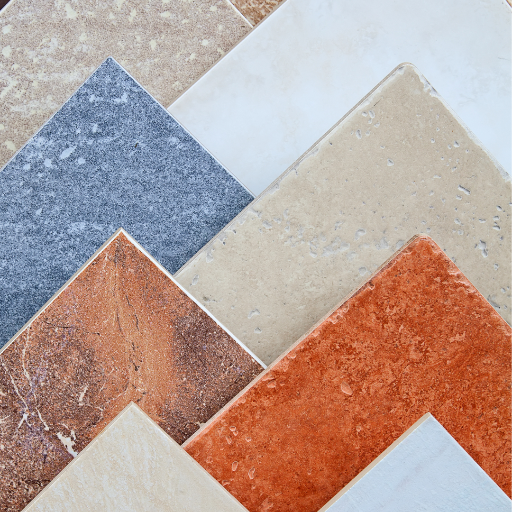
Ceramic tile is the safe choice for bathrooms, kitchens, entryways, and laundry rooms. If you're looking for a durable flooring option that can withstand moisture, ceramic tile is one of the best choices! Plus, when paired with underfloor heating, it ensures a comfortable indoor environment in your home during canadian winters.
Pros
- Highly resistant to water, stains, and scratches
- Exceptional lifespan with minimal maintenance
- Available in a variety of colors, styles, and textures
- Excellent heat conductor, making it perfect for heated floors
Cons
- Complex installation; often requires professionals
- Hard, cold surface without heating
- May crack or break upon heavy impact
2. hardwood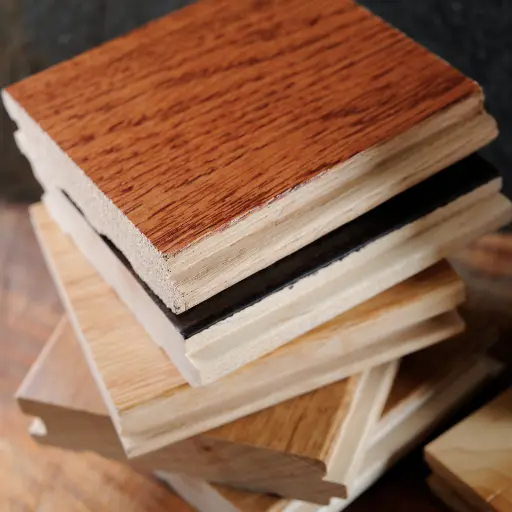
A CLASSIC CHOICE THAT INCREASES IN VALUE
Hardwood flooring is a long-term investment. It’s one of the most popular materials for living rooms and bedrooms —spaces where you want a warm, inviting atmosphere and a floor that transcends trends while increasing in value over time.
Pros
- Warmth and unique charactereach plank is different
- Can be sanded and repainted multiple times for a lifespan of several decades
- Increases a property's appeal and resale value
- Can be installed in a variety of patterns—chevron, herringbone, Chantilly, etc.
- Brushed wood with a matte finish effectively hides scratches
Cons
- Sensitive to humidity and seasonal variations
- Requires a specific maintenance
- May swell, crack, or become scratched
engineered wood
THE LOOK OF HARDWOOD WITH MORE FLEXIBILITY
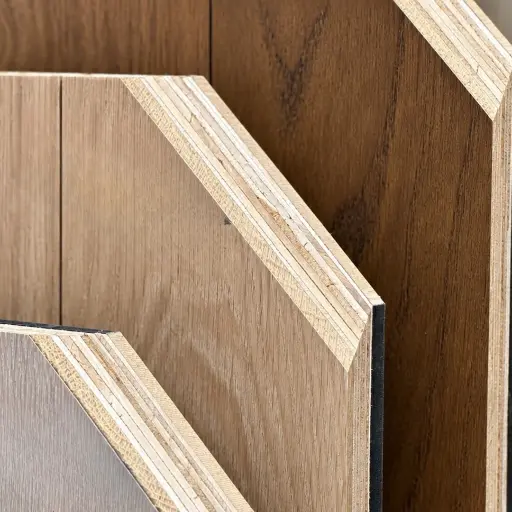
Engineered wood flooring offers the beauty of real wood with greater stability.
It consists of a thin layer of real wood bonded to a multilayer core, making the planks much more resistant to moisture and changes in climate. It’s an excellent option for those who love the look of hardwood but want more flexibility depending on the room or type of installation.
Pros
- More resistant to humidity and temperature changes (some models can be installed in the basement)
- Compatible with most floor-heating systems
- Can be sanded depending on thickness wear-layer
Cons
- Higher cost than hardwood
- Variable quality
- Sanding is limited by the wear layer, so it can become damaged
VINYL PLANKS
RESISTANT, PRACTICAL AND AFFORDABLE
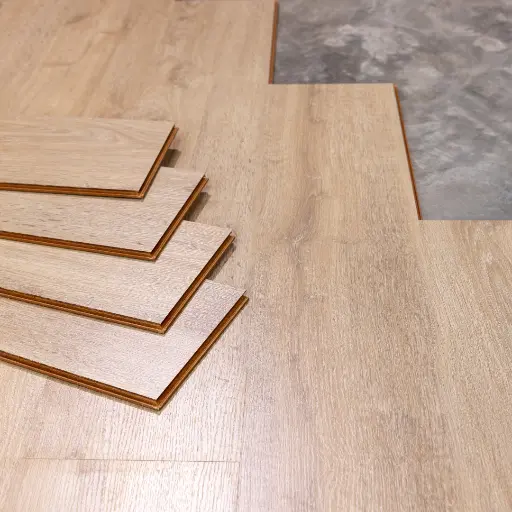 Vinyl planks are a reliable choice for active families, households with pets, and high-moisture areas. In addition to coming in a wide variety of styles, this flooring is easy to clean and affordable. It’s also a popular choice among contractors and property managers because of its easy installation and durability.
Pros
- 100% waterproof, ideal for kitchens, bathrooms, and basements
- More flexible and comfortable to walk on
- Easy maintenance and installation
Cons
- Difficult to repair in the event of damage
- Quality varies depending on the model and the wear layer
- Shorter lifespan than wood or ceramic
laminate or floating floor
THE BEAUTY OF WOOD AT AN AFFORDABLE PRICE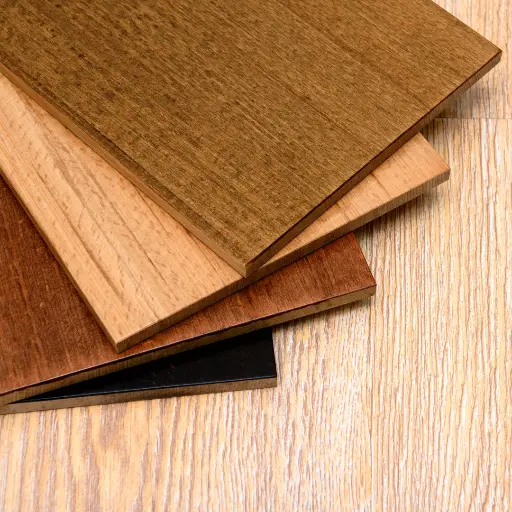
Laminate flooring is a type of flooring made up of several layers: a high-density wood-fiber core, a decorative layer (often with a wood-grain finish), and a wear-resistant protective surface. It’s the perfect choice for updating a bedroom, office, or living room—especially in spaces where you want the warm, inviting look of wood without the high price tag.
Pros
- Excellent value for the price, with many styles available
- Highly resistant to scratches and everyday wear and tear
- Simple installation
Cons
- Not water-resistant (except for certain water-repellent models)
- Shorter life-span depending on the wear layer
6. heated flooring
THE ULTIMATE COMFORT FOR YOUR FEET
Underfloor heating transforms a room into a true haven of comfort. It is not a flooring material, but rather a heating system installed beneath the floor—so it’s important to choose a compatible type of flooring, such as ceramic tile or engineered wood. 
Pros
- Uniform heating
- No heating grilles or baseboard heaters, so it frees up space
Cons
- Not compatible with all flooring types
- Can increase electricity usage
comparing the options
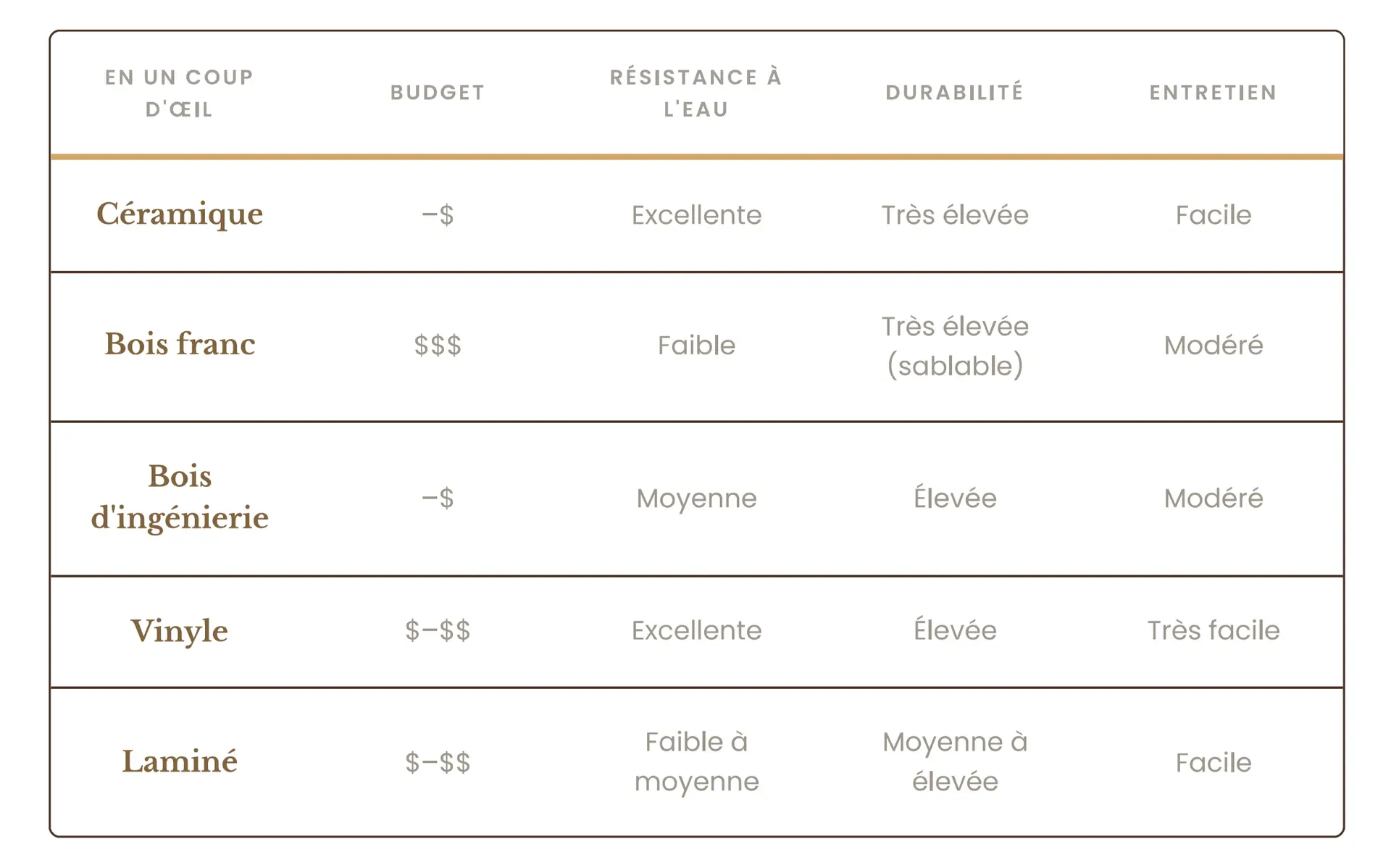
to recap
Humid room? Ceramic or vinyl
Basement? Vinyl or engineered wood
Tight budget? Vinyl or laminate
Long-term value? Hardwood or engineered wood
Cold feet in winter? Add a heated floor!
Still not sure? Our consultants are here to help you choose flooring that’s right for your project, your budget, and your lifestyle!
FAQ
WHAT IS THE DIFFERENCE BETWEEN SOLID WOOD AND ENGINEERED WOOD?
Solid wood consists of a single piece of wood, while engineered wood has a layer of real wood on a base made up of several layers. This construction gives it greater stability in the face of changes in humidity. However, the options for sanding depend on the thickness of its real wood layer.
WHAT IS THE DIFFERENCE BETWEEN LAMINATE AND FLOATING FLOORING?
The term “laminate” refers to a type of material, while “floating” describes an installation method that does not involve fastening the flooring to the subfloor. Laminate flooring is generally installed this way, but some vinyl and engineered wood floors can also be installed as floating floors.
WHAT KIND OF FLOORING is best FOR A KITCHEN OR BATHROOM?
Vinyl and ceramic tiles are often suitable options for rooms exposed to water. However, be sure to check the manufacturer’s recommendations: just because the material is water-resistant doesn’t mean the entire installation is waterproof.
Which flooring is best for a basement?
Vinyl and certain types of engineered or laminate flooring are suitable, provided the manufacturer authorizes their installation in the basement. Before making a choice, check the moisture level of the concrete slab and address any leaks. No flooring material alone can solve a moisture problem.
WHICH FLOORING IS MOST RESISTANT TO PETS AND CHILDREN?
Ceramic tile, certain laminates, and vinyl flooring with a good wear layer are all good options. No flooring is completely scratch-proof. The texture, finish, and color can also make small marks less noticeable.
WHAT TYPE OF FLOORING IS EASIEST TO MAINTAIN?
Vinyl and laminate floors generally require simple maintenance: regularly dust them and clean them with a slightly damp mop and a suitable cleaning product. For all floor coverings, follow the manufacturer’s instructions and avoid using too much water.