A floor can look used or damaged without necessarily needing to be replaced.
This being said, some less visible damage may indicate that it's time to take action.
So, when should you actually replace your flooring? Whether you're a homeowner, contractor, or property manager, the answer depends on several factors—the material, its condition, how well it's been maintained, and, above all, how it's used.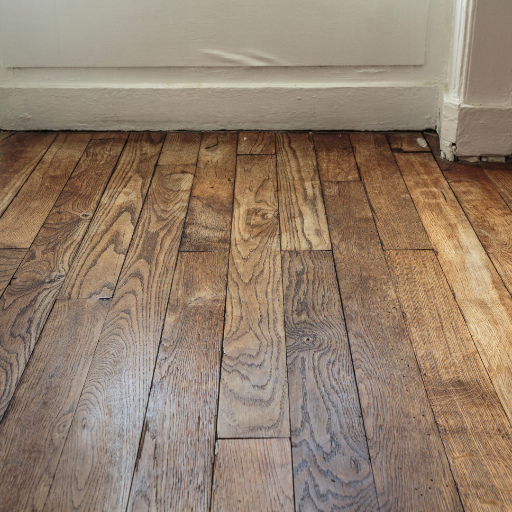
what is the lifespan of a floor?
There is no universal lifespan. The same ceramic tile can last much longer in a room that isn't used very often than in the entryway of a rental unit, for example.
For a single-family home with an average level of traffic, here are the estimated average lifespan:
| Hardwood | 50 years + |
| Engineered wood | 20 to 40 years |
| Vinyl | 15 to 25 years |
| Laminate | 15 to 25 years |
| Ceramic / porcelain | 50 years + |
| Carpet | 5 to 15 years |
Product quality, installation, maintenance, humidity, foot traffic, and conditions of use can significantly affect a floor’s actual lifespan. A high-quality material that is properly installed and maintained can therefore far exceed estimates, whereas a product that is poorly suited to its environment may need to be replaced much sooner.
5 SIGNS THAT IT'S TIME TO REPLACE YOUR FLOORS
the damages are no longer just esthetic
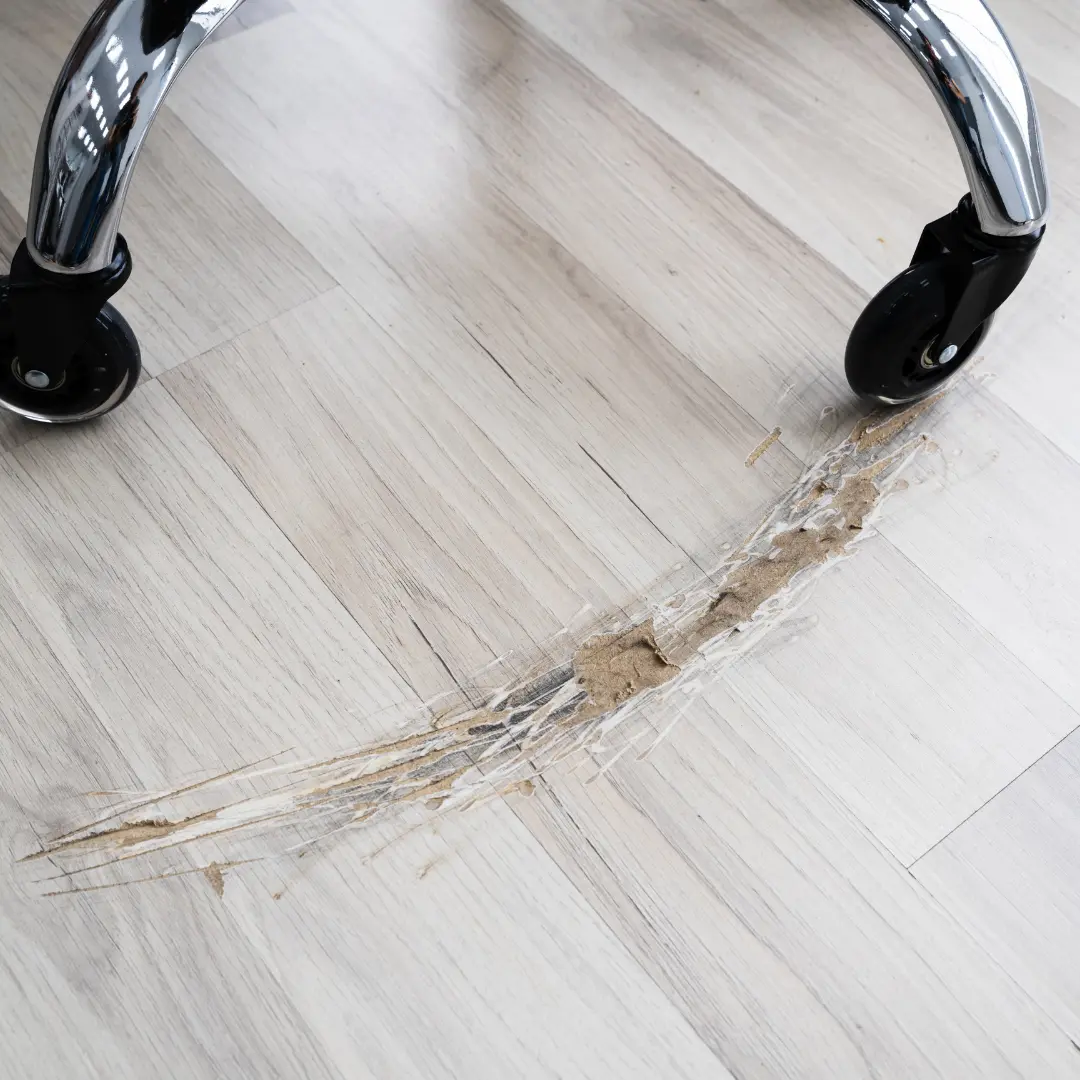
A few scratches or slight discoloration don't necessarily mean that a floor needs to be replaced. That said, when the damage becomes structural or spreads to multiple areas, replacing the entire floor may make more sense than carrying out multiple repairs.
If you notice:
- Warped or swollen planks
- Important cracks or joint seperation
- A moving section
- Notable surface wear
... it may be a good idea to start comparing replacement costs versus repair costs.
2. Reparations become frequent
Replacing a few damaged planks can extend the life of a floor by several years. But constantly making repairs in different areas can quickly become expensive.
For a property manager, this consideration is particularly important: a material that is slightly more expensive to purchase but better suited to heavy foot traffic can reduce maintenance needs and minimize long-term periods of vacancy.
3. THE FLOOR IS NO LONGER SUITABLE FOR THE USE OF THE SPACE
Sometimes the problem isn't the age of the floor, but the fact that it no longer meets your needs.
A change in how a space is used may call for a replacement: bringing pets into the home, remodeling a room, starting a family, converting a property into rental housing, or renovating a commercial space.
In this case, the right question is no longer just “Is my floor still in good condition?”, but rather “Is this still the right floor for this space?”
4. you spot signs of humidity
Warped or swollen boards, stains, shifting joints, or edges that are lifting may sometimes indicate a moisture problem.
Before replacing the floor, it's essential to determine the cause of the problem. If the problem stems from the subfloor or the membrane, installing a new floor without fixing the underlying issue will likely just result in the same damage eventually.
5. THE FLOOR REDUCES THE PROPERTY'S VALUE
A floor can still be functional even if it is very worn or outdated.
For a homeowner planning to sell, it may be worth considering whether renovations or replacements could increase the property’s value. For a property manager, the same reasoning may apply when refurbishing a unit between tenants.
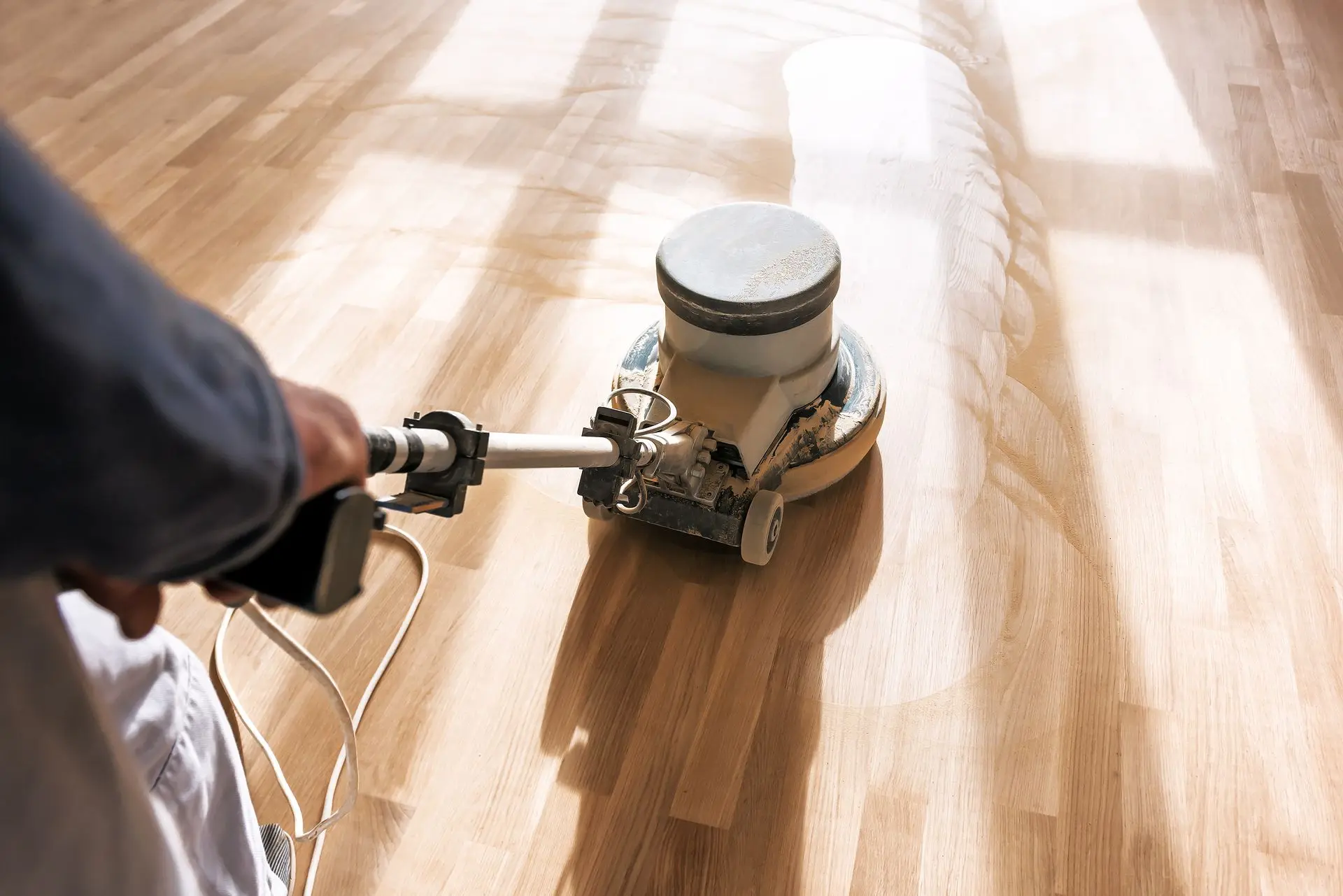
That doesn't automatically mean you need a new floor—sometimes, a professional cleaning, a targeted repair, or sanding (in the case of hardwood or engineered wood) may be enough.
repare, restore or replace?
Before tearing everything out, three options should be considered.
Repairing is often the best option when the damage is localized and the rest of the floor is still in good condition.
Restaurer peut être intéressant pour certains planchers de bois, qui peuvent être sablés et revernis plutôt que remplacés.
Restoration can be a good option for certain wood floors, which can be sanded and refinished rather than replaced.
RENTAL HOUSING AND COMMERCIAL PROJECTS: THINK ABOUT the LONG-TERM COSTS
In a rental building or commercial space, a product's estimated lifespan is only part of the equation.
You also need to consider:
- capacity to handle heavy traffic
- maintenance difficulty
- product availability in case of replacement
- the possibility of replacing only a few planks
- installation time
- interruption and inoccupation costs
A product that is easy to replace and readily available may sometimes be a better choice than a material that simply has the longest lifespan on paper.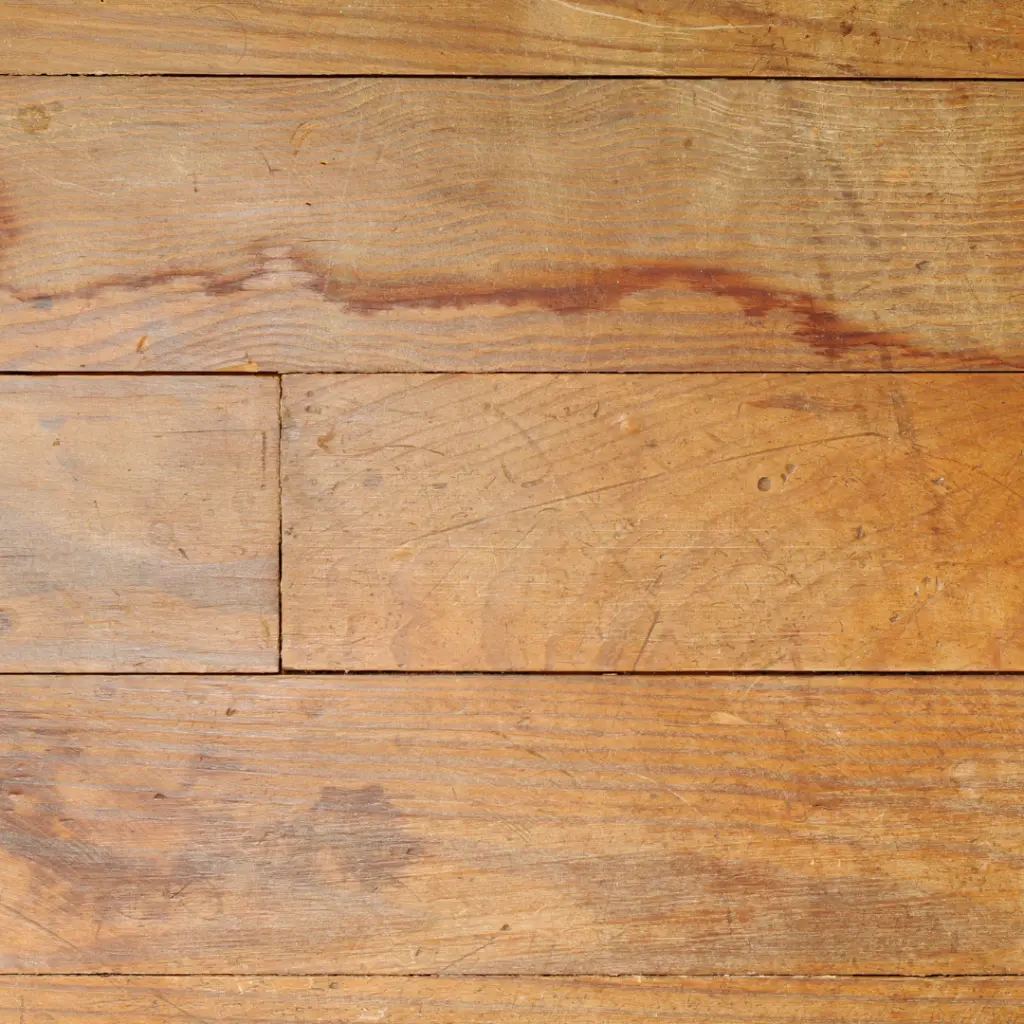
DO YOU HAVE TO REPLACE ALL THE FLOORS AT ONCE?
Not necessarily.
If some areas are still in good condition, it is often best to work in sections. However, it is important to consider the visual continuity between spaces, differences in height among materials, and the future availability of the chosen product.
For property managers, standardizing certain products across multiple units can also simplify future repairs and replacements.
THE BEST INDICATOR IS THE CONDITION OF YOUR FLOOR
Age is a factor to consider, but it should never be the only criterion for deciding whether to replace a floor.
A well-maintained 20-year-old floor may still have many good years left in it, whereas a much newer floor may need to be replaced if it has suffered water damage or if it was not suitable for its environment.
Before making a decision, have the property's condition, its surroundings, and your future needs assessed.
At Labrecque, our team can help you decide whether it’s better to keep your current flooring or replace it with flooring that’s better suited to your daily life and your plans.
Feel like it might be time to change your floors?
Come visit us in-store to get personalized advice on choosing a durable floor that reflects your style!
faq
what is the average lifespan of a floor?
The lifespan of a floor depends on the material, its quality, how it is installed, and how it is maintained. Hardwood flooring can last more than 50 years, while floating, laminate, or vinyl floors generally have a lifespan of 15 to 25 years. Ceramic and porcelain tiles can last several decades.
how do i know if my floors need changing?
There are several signs that may indicate the need for replacement: excessive wear, cracks, warping, water infiltration, or frequent repairs. A floor that no longer meets the needs of your space may also warrant replacement.
what type of floor lasts the longest?
Hardwood, ceramic tile, and porcelain are among the most durable flooring options. Hardwood, in particular, can be refinished several times depending on its thickness, while ceramic tile is highly resistant to moisture and wear when installed properly.
how much does replacing a floor cost?
The cost varies depending on the type of flooring, the square footage, the preparation of the subfloor, and the installation work required. To get a realistic estimate for your renovation project in Quebec, it’s best to consult with specialists.